
Dental implants are a popular and effective solution for those who are dealing with tooth loss. Houston has many dental professionals who place implants. This article will provide a comprehensive overview of dental implants in Houston, including their cost, procedure, benefits, types, and what you can expect from your dental implants regarding success and maintenance. We hope this information will help you decide whether dental implants are the right solution for you.
- County
- Harris
- Population
- 2,304,5802020 census
- Dental school clinic
- UTHealth Houston School of Dentistry (student and resident clinics)
Population: 2020 United States census. Dental schools: Texas has four, in Houston (UTHealth Houston), San Antonio (UT Health San Antonio), Dallas (Texas A&M) and El Paso (Texas Tech Health Sciences Center El Paso), and each runs patient clinics.
Dental Implants: Cost and Financing
When it comes to dental implants, one of the primary considerations for many people is the cost. In Houston, dental implants can vary widely in price, depending on several factors. Generally, a single dental implant may cost between $1,500 and $6,000. This price includes the implant itself, the abutment (which connects the implant to the crown), and the prosthetic tooth or crown.
Several factors can influence the final cost, such as:
- The type of implant used
- The number of teeth being replaced
- The location in your mouth where the implant will be placed
- The complexity of the procedure (for example, if bone grafts or sinus lifts are needed)
It is important to remember that dental implants may seem expensive. However, they are often a more cost-effective solution in the long run than other tooth replacement options, such as dentures and bridges, which require more maintenance and periodic replacement.
Fortunately, financing options are available to help manage the cost of dental implants. Many dental practices offer financing plans and payment options, allowing you to spread the cost of your treatment over time. Additionally, dental insurance may cover a portion of the cost, though this varies by provider and plan.
Four dental practices with implant services in Houston
The four practices below have offices in or near Houston and publish the services, phone numbers and addresses shown, which are theirs and may change. We have not assessed any of them, this is not a ranking, and we do not recommend individual practices. Check a dentist’s license on the Texas State Board of Dental Examiners’ lookup and ask about fees and payment terms before you book.
Houston Dental Implant & Cosmetic Center
- Services the practice lists: Dental Implants, Cosmetic Dentistry, Restorative Dentistry, Preventive Care
- Phone: (713) 664-1661
- Address: 4548 Bissonnet St #300, Bellaire, TX 77401
- Website: https://houstondentalimplantcenter.com/
Piney Point Dental Implant Center
- Services the practice lists: Dental Implants, Oral Surgery, Sedation Dentistry, Bone Grafting
- Phone: (713) 597-7583
- Address: 2450 Fondren Rd Ste 320, Houston, Texas 77063
- Website: https://www.pineypointdentalimplants.com/
NU Dentistry
- Services the practice lists: Dental Implants, Cosmetic Dentistry, General Dentistry, Emergency Dental Services
- Phone: (832) 916-4144
- Address: 8940 Barker Cypress Rd. Suite 170 Cypress, Texas 77433
- Website: https://www.nudentistry.com/
Edge Dental
- Services the practice lists: Dental Implants, Cosmetic Dentistry, Invisalign, Teeth Whitening
- Phone: (281) 940-8940
- Address: 15455 Memorial Dr #400, Houston, TX 77079
- Website: https://www.edgedentalhouston.com/
Dental Implants Procedure in Houston
The dental implant procedure typically involves several steps, from consultation to completion. Here is a general outline of what you can expect:
1. Consultation: The first step is to visit a dental implant specialist, who will examine your teeth, gums, and bone structure to determine if you are a suitable candidate for dental implants. This may involve taking X-rays or 3D scans.
2. Treatment Plan: If you are deemed a suitable candidate, your dental implant specialist will create a customized treatment plan, specifying the type of implant, its location, and an estimate of the overall cost.
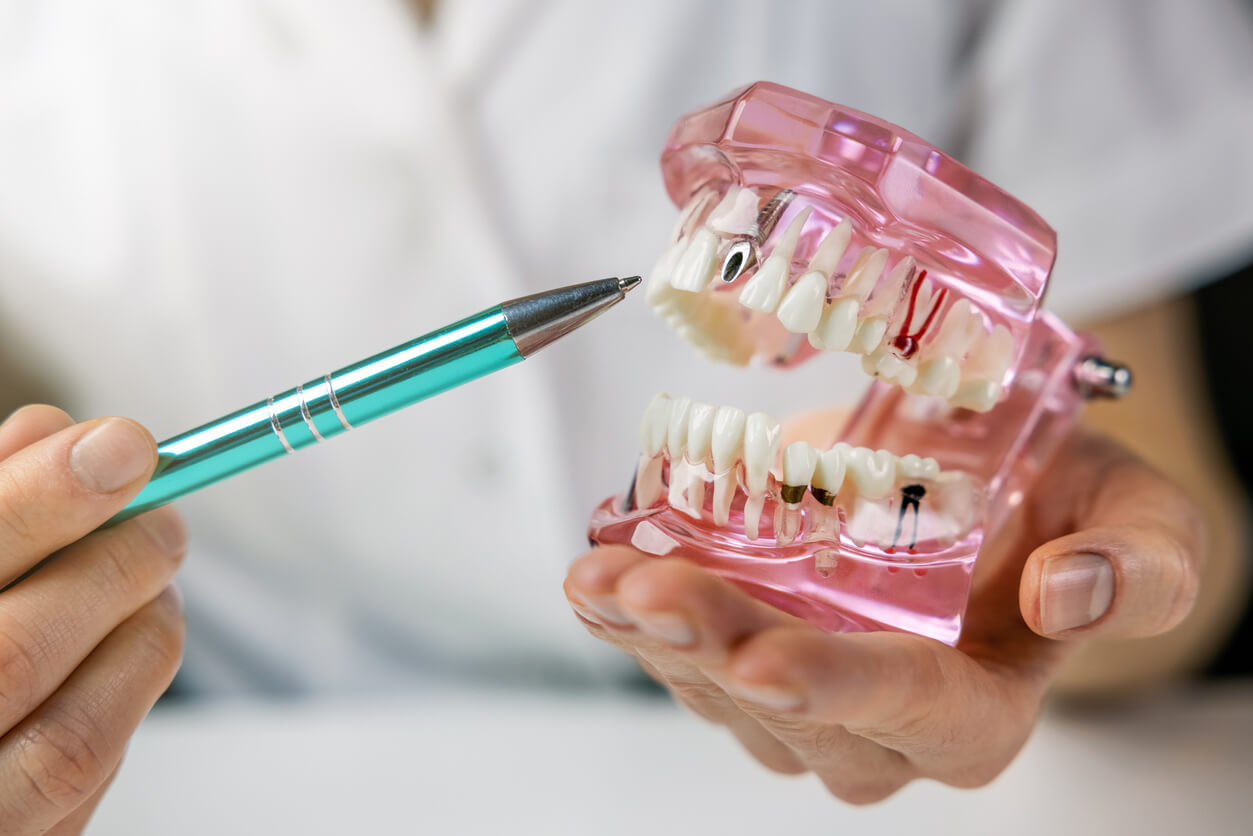
3. Implant Placement: The dental implant, a small, screw-like post made from titanium or other biocompatible materials, is inserted into the jawbone. This is typically done under local anesthesia, though sedation options may be available for anxious patients.
4. Osseointegration: After implant placement, osseointegration occurs, during which the implant fuses with the jawbone, forming a strong foundation for the prosthetic tooth. This can take anywhere from three to six months.
5. Abutment and Crown Placement: Once osseointegration is complete, an abutment is attached to the implant, and the customized prosthetic tooth (or crown) is placed on top. This completes the dental implant procedure.
Dental Implants Benefits
Dental implants have several advantages over tooth replacement options, such as dentures and bridges. These benefits include:
- Improved appearance: Dental implants mimic natural teeth’ appearance and help preserve the facial structure by preventing bone loss in the jaw.
- Enhanced speech and comfort: Dental implants are fixed in place, eliminating the slipping and discomfort that can occur with dentures, allowing you to speak and eat confidently.
- Better oral health: Unlike dental bridges, dental implants do not require grinding adjacent teeth, preserving their natural structure. Dental implants also help prevent bone loss and the shifting of nearby teeth.
- Durability: Dental implants, when properly maintained, can last a lifetime, whereas dentures and bridges may require periodic replacement.
Dental Implants Materials and Types
Dental implants are typically made from titanium, a biocompatible material that is strong and encourages bone growth. There are several types of dental implants available, with the most common being:
- Endosteal Implants: These are the most common type of dental implant placed directly into the jawbone. They are usually screw-like in shape, providing a stable base for the prosthetic tooth.
- Subperiosteal Implants: These implants are placed under the gum tissue but above the jawbone, making them a suitable option for patients with the insufficient bone structure for endosteal implants.
In addition to traditional dental implants, there are also mini dental implants and same-day dental implants:
- Mini Dental Implants: These are smaller in diameter than traditional implants, making them a less invasive option for patients with limited bone structure. While they may not be suitable for all situations, mini implants can effectively secure dentures.
- Same-Day Dental Implants (Teeth-in-a-Day): In certain cases, it may be possible to complete the entire dental implant procedure in just one day, from implant placement to prosthetic tooth attachment. This can be an appealing option for those who want to minimize the time spent between tooth loss and replacement.
Choosing a dental implant specialist in Houston
When choosing a dental implant specialist in Houston, looking for someone experienced, knowledgeable, and well-respected in their field is essential. Some factors to weigh when choosing one:
- Education and Training: Look for a dentist who has undergone specialized training in dental implantology, either through an accredited dental school or reputable continuing education courses.
- Experience: In addition to training, consider the specialist’s experience with dental implants, including the number of implant procedures performed and their success rate.
- Patient Reviews: Read online reviews or ask for recommendations from friends, family, or co-workers to understand the specialist’s reputation and patient satisfaction.

Dental Implants Success Rate and Maintenance
Dental implants have a very high success rate, with studies showing success rates of 95% or higher. However, some factors can influence the success of dental implants, including:
- The patient’s overall health, particularly the presence of conditions such as diabetes or gum disease
- The patient’s bone density and quality
- The specialist’s skill and experience in performing the procedure
To ensure the long-lasting success of your dental implants, it is essential to maintain good oral hygiene practices, such as brushing twice a day, flossing daily, and visiting your dentist for regular check-ups and professional cleanings. It is also crucial to avoid smoking, as this can significantly increase the risk of implant failure.
Dental Implants Alternatives in Houston
While dental implants are an excellent solution for many patients, it is worth considering other tooth replacement options, particularly if dental implants are not appropriate for your specific situation or if you are concerned about the cost.
- Dentures: Dentures are removable tooth replacements, typically made from acrylic or metal. While they are a more affordable option initially, they require more maintenance and, in many cases, periodic replacement.
- Dental Bridges: Dental bridges anchor a false tooth or teeth to the adjacent healthy teeth. They provide a fixed solution, although they require the grinding down of the supporting teeth and may not last as long as dental implants.
When deciding between dental implants and alternative tooth replacement options, it is essential to weigh the benefits, risks, and costs and seek advice from a qualified dental professional.
Conclusion
Dental implants can provide a long-lasting, effective, and aesthetically pleasing solution to tooth loss, improving oral health and overall well-being. With the knowledge provided in this article, you are now better informed about the costs, types, benefits, and expectations associated with dental implants in Houston. Armed with this information, we hope you feel confident in making a decision that will ultimately lead to a healthier and more confident you.
Frequently asked questions
How much does a dental implant cost in Houston?
By the guide's figures, a single dental implant in Houston may cost between $1,500 and $6,000, including the implant, the abutment and the crown. The final price depends on the type of implant, how many teeth are replaced, where in the mouth it goes and whether bone grafts or sinus lifts are needed.
Can I pay for implants over time, or use insurance?
Many dental practices offer financing plans and payment options that spread the cost of treatment over time. Dental insurance may cover a portion of the cost, though that varies by provider and plan, so ask about fees and payment terms before you book.
What are the steps in getting a dental implant?
A consultation with X-rays or 3D scans checks your teeth, gums and bone, and a treatment plan sets out the implant type, its location and a cost estimate. The post is placed under local anesthesia, fuses with the jawbone over three to six months, and then an abutment and crown are attached.
How do implants compare with dentures and bridges?
Implants are fixed in place, so they avoid the slipping that can occur with dentures, and unlike bridges they do not require grinding the adjacent teeth. They also help prevent bone loss in the jaw, and with proper maintenance they can last a lifetime, while dentures and bridges may need periodic replacement.
How can I check an implant provider in Houston?
Check the dentist's license on the Texas State Board of Dental Examiners' lookup and ask about fees and payment terms before you book. Houston is also home to the UTHealth Houston School of Dentistry, which runs student and resident clinics for patients.
Before you book
Check the license, and know what your plan pays, before treatment starts in Houston
Every dentist practicing in Texas holds a license from the Texas State Board of Dental Examiners, and any license can be verified on the board’s public lookup. Dental insurance usually pays part of an implant or nothing toward it, Original Medicare does not cover routine dental care, and Texas Medicaid’s dental benefit for adults is limited; the cost and coverage guides explain each. We are a publication, not a practice, and we do not recommend individual providers.
Texas State Board of Dental Examiners license lookupTexas Medicaid dental plans (HHS comparison chart)More on dental implants
Dental implant guides for other Texas cities
Dallas
What implants cost in Dallas, the treatment process and four practices with Dallas offices.
San Antonio
Cost, insurance and financing, choosing a provider and four San Antonio practices.
Austin
The implant process step by step, what it costs and four Austin practices.
Fort Worth
Implant cost in Fort Worth, what to ask a provider and four local practices.
El Paso
What implants cost in El Paso, how treatment runs and four El Paso practices.